Key Insights
- RWA projects succeed when they explain value in simple terms. Investors look for clarity on returns, risk, and compliance before they commit funds.
- Content such as blogs, reports, and webinars helps investors understand tokenized assets. This reduces hesitation and increases conversion rates over time.
- Focused campaigns on platforms like LinkedIn and Google attract serious buyers. Right audience targeting improves lead quality and shortens the sales cycle.
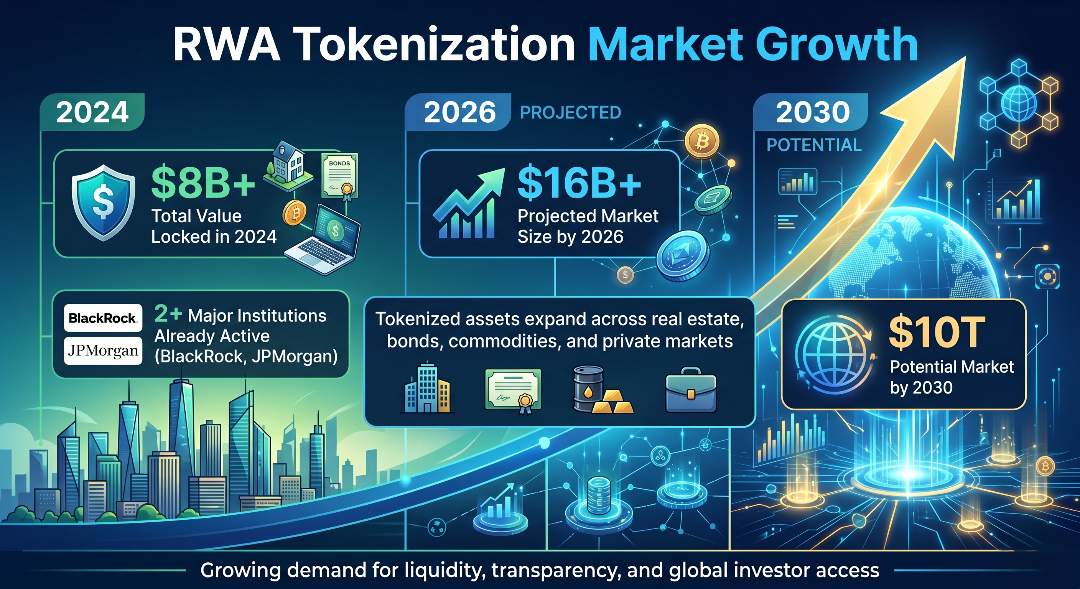
Real-world asset tokenization has shifted from a niche idea to a live capital market in a short span. The RWA sector passed $8 billion in total value locked in 2024, and forecasts place it above $16 billion by 2026. Some market estimates push the number much higher and place tokenized assets at $10 trillion by 2030 across real estate, bonds, and private markets. Firms like BlackRock and JPMorgan Chase have already launched tokenized funds and blockchain-based settlement products. That tells us something important. Traditional finance is no longer watching blockchain from the sidelines. It is putting blockchain to work for faster transactions, broader access, and new revenue models. Today, tokenized assets include real estate, commodities, invoices, and debt instruments, all issued and traded through digital tokens.
A strong product does not win attention on its own. Many RWA platforms still struggle to attract investors, even with sound technology and legal backing. The problem often sits in the message. Projects fail to explain value in a way that feels clear, credible, and easy to trust. Marketing has a direct effect on liquidity, investor confidence, and long-term growth. A focused plan helps businesses reach global investors, open the door to fractional ownership, and present transparent systems that attract capital. The sections below show how to turn those advantages into measurable business growth through sharp and targeted marketing.
What Is RWA Tokenization and Why It Needs Specialized Marketing
Definition of Real-World Asset Tokenization
Real-world asset tokenization converts physical and financial assets into digital tokens on a blockchain. These assets include real estate, gold, bonds, and invoices. Each token represents ownership or a share of the asset. Blockchain records every transaction, which builds transparency and reduces manual work. Smart contracts handle tasks such as ownership transfer and dividend payouts. This structure allows investors to buy smaller portions of high-value assets and trade them with ease.
Unique Challenges in Marketing RWA Projects
RWA marketing faces strict rules across regions. Each market has its own compliance needs, including KYC and AML checks. Many institutional investors remain cautious and need strong proof of security and legal clarity. Non-crypto users often struggle to understand tokenization, so education becomes a key task. Sales cycles take longer since large investments require detailed review and approvals. These factors make simple promotion ineffective and demand a clear and structured marketing plan.
Key Target Audiences
RWA projects serve a mix of investor groups with different goals. Institutional investors and asset managers look for stable returns and risk control. Family offices and high-net-worth individuals focus on diversification and access to exclusive deals. Enterprises and asset originators want liquidity for their holdings. Retail investors, where rules allow, seek easy entry into asset-backed investments. Each group needs tailored messaging that speaks to its priorities and concerns.
Want to scale your tokenized asset platform faster?
Work with a skilled team to plan campaigns, improve visibility, and bring qualified investors to your RWA project

Core RWA Token Marketing Framework (Step-by-Step)
Step 1 – Define Your Value Proposition
A clear value proposition explains why your platform matters. RWA projects often highlight liquidity, global access, and steady yield. You must show how your offering differs from others, whether through asset type or technology. Investors want direct answers to their concerns, such as risk, returns, and exit options. Strong messaging connects these points and builds early interest.
Step 2 – Regulatory Positioning and Trust Building
Trust drives investment decisions in RWA markets. Clear communication of compliance standards builds confidence. Projects must show how they meet rules set by regulators such as the SEC or MiCA framework. Legal disclosures should stay simple and easy to access. Partnerships with custodians, auditors, and legal firms add another layer of credibility and reduce perceived risk.
Step 3 – Brand Positioning for Web3 + TradFi
RWA brands must appeal to both crypto users and traditional investors. A professional tone works better than hype-driven messaging. Visual identity, website design, and content should reflect trust and clarity. Thought leadership content, such as reports and expert articles, helps position the brand as a reliable source in tokenized finance. This balance builds long-term recognition.
Step 4 – Multi-Channel Marketing Strategy
A strong marketing plan uses both Web3 and traditional channels. Crypto-native platforms like X, Discord, and Telegram help build community engagement. Channels such as LinkedIn, email campaigns, and industry events attract institutional audiences. Each stage of the funnel needs focused content. Awareness content brings attention, educational content builds trust, and conversion content drives investment decisions.
Top Marketing Strategies for RWA Tokenization Projects
-
Content Marketing for Investor Education
Content builds trust faster than paid promotion alone. Most investors need clear answers before they commit capital, so your blog should target search terms such as “tokenized real estate investment,” “RWA crypto platforms,” and “asset tokenization benefits.” Each article should explain one topic in plain language and connect the topic to investor goals like yield, access, and risk control. Whitepapers, case studies, and research reports add depth for serious buyers. Webinars and short explainer videos help readers who want a faster format. This mix brings traffic, answers objections, and moves prospects closer to a call or demo.
-
Performance Marketing & Lead Generation
Paid acquisition works well for RWA projects that want qualified leads from a narrow audience. LinkedIn ads can reach fund managers, asset firms, and fintech buyers with precise job title targeting. Google Ads capture buyers who already search for tokenization services or tokenized asset platforms. Your landing pages should focus on one offer, one audience, and one action. Strong pages use short headlines, proof points, trust badges, and a simple form. Lead magnets such as investment decks and ROI calculators give prospects a reason to share contact details and start a sales conversation.
-
Community Building in Web3 Ecosystems
Community gives your project a public voice and a steady feedback loop. Channels like Discord, Telegram, and X help teams share updates, answer questions, and show daily activity. This matters in crypto markets, where silence often creates doubt. AMAs, live calls, and regular investor updates keep people informed and make the team more visible. Some projects add governance features, which give token holders a role in key decisions. That model works best for projects with a real community mandate, not for every RWA brand.
-
PR and Thought Leadership
PR gives your brand third-party credibility, and that carries weight in finance. Articles in fintech and blockchain media place your project in front of investors who already follow the sector. Founder interviews and conference talks build familiarity with the team and make the company feel more established. Awards, rankings, and expert mentions can strengthen trust if they come from respected names. The goal is simple. You want buyers to see your brand in more than one place before they visit your site or book a meeting.
-
Influencer & KOL Marketing in Crypto
Influencer campaigns work best in RWA when the message stays educational and restrained. Trusted crypto analysts can explain your model to an audience that already understands tokens, wallets, and on-chain markets. That shortens the learning curve. The right partner will break down your asset type, legal structure, and return model in plain terms. This works better than hype posts that push price action. Niche audiences in DeFi and institutional crypto often respond well to deep analysis, interviews, and research-led content from voices they already follow.
SEO Strategy for RWA Token Projects
High-Intent Keywords to Target
High-intent keywords bring visitors who already want a product, a platform, or a service. Terms such as “RWA tokenization platform,” “tokenized assets investment,” “real estate tokenization companies,” and “how to invest in tokenized assets” signal strong buying interest. These keywords should appear in core pages, blog posts, FAQs, and landing pages. Each page should match the user’s search goal. A service page should sell. A guide should teach. A comparison page should help buyers shortlist vendors.
On-Page SEO Best Practices
On-page SEO starts with clean structure and direct writing. Your H1 should state the page topic in clear terms, and H2 and H3 tags should break the topic into useful sections. Titles and meta descriptions should include target phrases and a reason to click. Schema markup helps search engines read your page type and core details, which can improve visibility for financial content. Internal links guide readers to related pages and spread authority across your site. This helps search engines understand topic depth and page relevance.
Technical SEO for Blockchain Platforms
Technical SEO shapes how well your site performs in search and how trustworthy it feels to visitors. RWA websites need fast load times, strong mobile performance, and secure page delivery through HTTPS. Many investor visits happen on phones, so poor mobile design can hurt both rankings and conversions. Gated assets such as whitepapers or dashboards need careful handling. You should keep summary pages open for indexing, then place the form behind the next step. This gives search engines useful content and gives buyers a clear path to convert.
Content Clusters for Authority
Content clusters help you build topical depth around RWA tokenization. A pillar page such as “Complete Guide to RWA Tokenization” can cover the full topic at a high level, then link to supporting posts on legal structure, investor onboarding, real estate tokenization, asset custody, and compliance. FAQ pages can capture long-tail searches and answer direct buyer questions. This structure helps readers move across your site with purpose. Backlinks from fintech publications, legal blogs, and crypto media add trust and can raise rankings for core commercial pages.
Want more investors for your RWA project?
Go-to-Market Strategy for RWA Projects
Pre-Launch Marketing
Pre-launch marketing sets the tone for everything that follows. A strong waitlist gives you early proof of demand and a pool of warm leads. Early investor outreach should start with direct messages, private briefings, and short pitch materials that explain the asset, the legal model, and the expected return profile. Strategic partnerships add trust at this stage. A known custodian, legal firm, or asset partner can make your project look far more credible on day one. The goal is simple. You want buyers to know your name before the token goes live.
Token Launch Campaigns
The launch phase needs speed, clarity, and trust. Your IDO or STO campaign should explain who can participate, what the token represents, and how buyers can join without confusion. Exchange listings and listing announcements can drive traffic fast, but the message must stay grounded in utility and asset backing. PR can expand reach through media coverage, founder quotes, and launch stories in crypto and finance publications. A good launch campaign does not chase noise. It gives the market a clear reason to pay attention and act.
Post-Launch Growth Strategy
Post-launch growth starts with keeping current investors engaged. Regular updates on asset performance, platform milestones, and market traction help build confidence and reduce drop-off. Email newsletters, investor dashboards, and monthly reports work well for this stage. Growth can then come from new asset offerings that attract fresh buyer groups and raise lifetime value. Global expansion needs local messaging, legal review, and market-specific channels. A token launch is not the finish line. It is the point where long-term growth begins.
Industry Use Cases and Marketing Angles
-
Real Estate Tokenization
Real estate tokenization works best with clear messages about fractional ownership and recurring income. Many investors cannot buy an entire property, but they can buy a small share through tokenization. That simple point makes the offer easy to understand. Marketing should focus on rental yield, lower entry cost, and access to markets that once felt out of reach. Campaigns perform well when they show real numbers, property details, and expected cash flow. Buyers want proof, not broad claims.
-
Tokenized Bonds and Debt Instruments
Tokenized bonds and debt products appeal to buyers who want steady returns and lower volatility than many crypto assets. The marketing angle should focus on fixed income, payment schedules, and issuer quality. Institutional buyers respond well to data on credit structure, maturity terms, and legal safeguards. These products should look serious from the first click. Clean design, direct wording, and strong compliance signals matter a lot here. The message should frame the token as a modern wrapper around a familiar financial product.
-
Commodities and Precious Metals
Commodities and precious metals fit well with buyers who want a hedge against inflation and currency weakness. Gold-backed tokens are a clear example. The marketing message should focus on asset backing, price tracking, and proof of reserves. Transparency matters a great deal in this category. Investors want to know where the asset sits, who verifies it, and how redemption works. Traceability can become a strong selling point, especially for metals and supply-linked goods.
-
Private Equity and Venture Assets
Private equity and venture assets attract buyers who want access to deals that usually stay behind closed doors. The marketing angle here is exclusivity with lower entry barriers. Tokenization can open private market access to a wider group, but the message must stay grounded in facts, deal structure, and holding periods. Buyers need to understand that these assets often take longer to mature and can carry higher risk. Clear communication builds trust. A polished campaign should present the token as a route into private markets, not as a shortcut to quick returns.
Conclusion
RWA tokenization has moved into a stage where execution matters more than ideas. Projects that combine clear messaging, strong compliance signals, and targeted outreach see better investor response and faster growth. Each step, from early awareness to post-launch engagement, shapes how investors view your platform. A focused marketing plan can drive liquidity, build trust, and open access to global capital. Businesses that act early can secure a strong position in this fast-growing sector. If you plan to launch or scale an RWA project, the right partner can make a clear difference. Blockchain App Factory provides RWA marketing services that help projects attract investors, build credibility, and grow with confidence.

Vimal J is the Head of Sales at Blockchain App Factory, with 10+ years of experience in sales, client strategy, and Web3 business growth. He helps startups, enterprises, and project founders choose the right blockchain solutions for their goals, bringing a practical market perspective to topics like token development, crypto launches, and Web3 adoption.