Key Insights
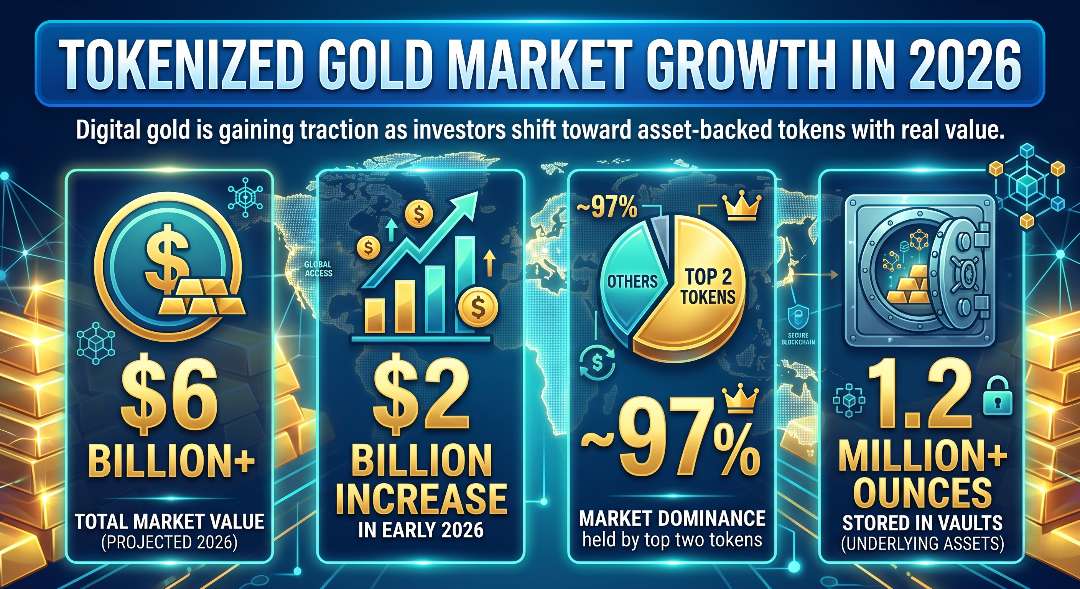
- The market crossed $6 billion in early 2026, showing rising demand for gold-backed digital assets. Investors want real-world value with easier digital access.
- PAX Gold shows how real gold reserves, blockchain records, audits, and redemption options can work together. It gives businesses a proven reference for platform development.
- Platforms can earn through trading fees, minting, redemption, custody, and institutional services. DeFi use cases can add further value through lending, borrowing, and collateral options.
Gold has always carried value, but for most of its history, it stayed locked inside vaults, banks, and private storage rooms. Digital assets moved fast, but gold moved slowly. That gap is now closing. Blockchain allows physical gold to be represented as digital tokens that users can buy, sell, and transfer online.
This gives gold a new kind of mobility. A gold bar can remain safely stored in a vault, yet people across different countries can own parts of it through tokens. They do not need to ship the gold, visit a dealer, or manage storage. Ownership becomes easier to access, easier to transfer, and easier to track.
Why gold still matters in a digital-first world
Gold has remained valuable through inflation, recessions, political uncertainty, and market crashes. That trust did not appear overnight. It came from centuries of use as a store of value. Investors still turn to gold during unstable periods because it feels familiar and reliable.
Tokenized gold keeps that trust but adds digital convenience. Users can buy small amounts, hold them in a wallet, and trade them without touching the physical metal. This makes gold more practical for people who want safety but prefer online financial tools.
Growing demand for tokenized real-world assets
Many investors now want digital assets linked to real value. Pure crypto assets can feel risky, especially during market swings. Tokenized real-world assets offer a middle path. They bring physical assets into digital markets.
Gold fits this category well. It is widely recognized, easy to price, and trusted across regions. Tokenized gold removes common barriers such as storage, insurance, and high purchase costs. This makes it more attractive for small investors, fintech users, and institutions.
A rapidly expanding market
Tokenized gold is no longer a small experiment. By early 2026, the market crossed $6 billion in total value, adding nearly $2 billion within a short span. Two major tokens dominate this space, holding close to 97% of the market and backed by more than 1.2 million ounces of physical gold stored in vaults.
This growth reflects a clear shift in investor behavior. People want gold, but they want easier access. They want ownership, but without storage concerns. Tokenized gold meets both needs with a format that fits modern investing habits.
Global access made simple
Platforms like PAX Gold made gold ownership easier for users across the world. A person no longer needs to buy a full gold bar or depend on local dealers. They can own a fraction of gold through a digital token and manage it from a wallet or trading platform.
This access matters. It opens gold investing to students, small traders, global investors, and businesses. Gold moves from being a high-entry asset to something people can buy in smaller units. That is one of the main reasons gold tokenization is gaining attention in 2026.
Understanding Tokenized Gold: The Foundation of Digital Bullion
What does tokenized gold actually mean?
Tokenized gold is physical gold represented in digital form. Each token links to a specific amount of gold stored in a secure vault. This amount can be one gram, one ounce, or another fixed unit chosen by the platform.
Owning the token means owning the linked portion of gold. It works like a digital proof of ownership, but it is far easier to trade than a paper certificate. Users can buy, sell, or transfer tokens through blockchain-based systems without handling the metal directly.
How gold becomes a digital asset
The process starts with real gold. The platform buys gold from approved suppliers, checks its purity, records its details, and stores it in a secure vault. After that, it issues digital tokens that represent the stored gold.
Every token must match the reserve behind it. If more gold enters the vault, more tokens can be issued. If gold leaves the vault through redemption, the related tokens are removed from circulation. This link between gold reserves and token supply keeps the system accountable.
From stored metal to usable financial asset
Traditional gold often sits idle. It holds value, but it usually does not move or take part in digital finance. Tokenized gold changes that role. Once gold is represented on a blockchain, users can transfer it quickly, trade it on exchanges, or use it in lending and collateral systems.
This gives gold more practical use. It is no longer only a stored asset. It becomes a digital financial instrument backed by physical metal. That mix of stability and usability is what attracts many modern investors.
Benefits that attract modern investors
Tokenized gold offers easier access than physical gold. Users can buy small portions instead of large bars or coins. This lowers the entry barrier and makes gold ownership possible for more people.
It also offers better liquidity. Physical gold often takes time to sell, and pricing can vary between dealers. Tokenized gold can be traded on supported platforms with faster settlement. Users can manage ownership through wallets, exchanges, or apps.
Fractional ownership is another major benefit. A person does not need a large budget to start. They can own a small portion of gold and increase their holding over time. Blockchain records also help track ownership in a more organized way.
Comparing physical gold, ETFs, and tokenized gold
Physical gold gives direct ownership, but it brings storage and safety concerns. Owners must protect it, insure it, and find reliable buyers when they want to sell. This can become difficult for small investors.
Gold ETFs are easier to trade through financial markets, but they often do not provide direct access to physical gold. Investors usually hold exposure to gold prices rather than claimable metal.
Tokenized gold sits between these two options. It offers digital access while staying linked to real gold. Users can hold, trade, transfer, and sometimes redeem tokens for physical gold or cash. This balance makes tokenized gold a practical option for investors who want gold ownership without the usual friction.
Inside PAX Gold (PAXG): The Benchmark Model
How PAXG works in practice
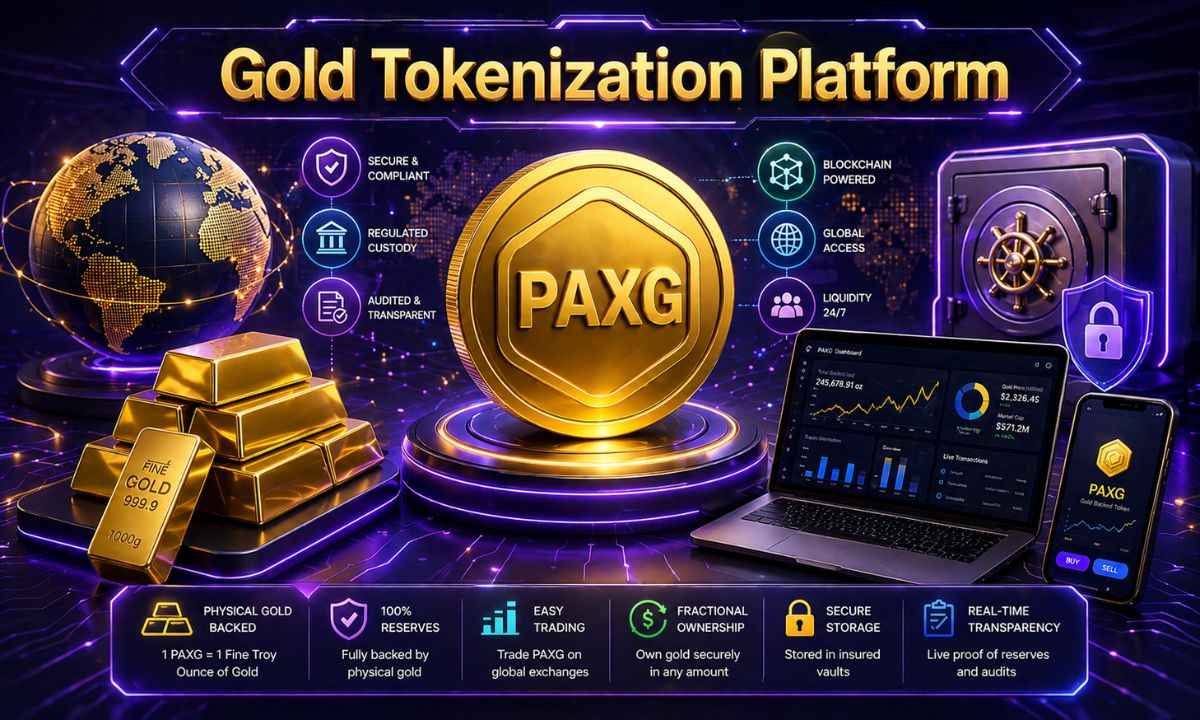
PAX Gold works as a digital token backed by real gold stored in secure vaults. Each token represents one fine troy ounce of gold. When someone buys PAXG, they are not buying a simple digital unit. They are getting ownership of actual gold held in reserve. This link between the token and physical gold is what makes the model easy to understand. It connects a familiar asset with a modern trading method.
Understanding 1:1 backing
The concept behind PAXG is direct. Every token has an equal amount of gold stored in a vault. If there are 10,000 tokens in circulation, there must be 10,000 ounces of gold backing them. This one-to-one ratio gives users confidence. It removes doubt about whether the token has real value behind it. Investors know that each token reflects a specific portion of gold, not just market demand.
Role of blockchain in gold digitization
PAXG runs on the Ethereum network using the ERC-20 token standard. This setup allows users to store tokens in digital wallets, transfer them easily, and trade them on exchanges. Every transaction is recorded on the blockchain. This record shows who owns what at any point in time. It replaces paperwork with a digital system that is easier to verify and access.
Secure storage and custody
The gold backing PAXG is stored in professional vaults that follow strict security practices. These vaults hold gold bars that meet recognized purity standards and carry proper certification. Investors do not need to worry about storing or protecting the gold themselves. The platform handles custody, which reduces risk for users and keeps the asset safe.
Real-time pricing connection
PAXG follows the live price of gold in global markets. When gold prices move up or down, the value of PAXG reflects that change. This keeps the token aligned with real market conditions. Investors can track its value just like they would track gold prices, but with the added benefit of digital access.
Converting digital gold into physical form
PAXG allows users to redeem tokens for physical gold under certain conditions. This option matters because it proves that the token is tied to real reserves. If a user chooses to redeem, the platform converts the tokens into physical gold and adjusts the token supply. This link between digital and physical assets builds confidence in the system.
Regular audits and compliance
The platform conducts regular audits to confirm that gold reserves match the number of tokens in circulation. These checks help maintain trust. Regulatory oversight adds another layer of accountability. Investors want proof that the system is accurate, and audits provide that proof. The reference material supports this process clearly .
Why investors trust PAXG
PAXG has gained attention from both individual investors and institutions for practical reasons. It offers a direct link to physical gold without requiring storage. It allows easy buying and selling through digital platforms. It maintains verified reserves through audits.
These factors make PAXG a useful reference for anyone planning to launch a gold tokenization platform. It shows that a simple idea, backed by real assets and clear processes, can gain trust and steady adoption.
Business Opportunity: Why Launch a Gold Token Platform Today
Investors want assets they can understand
Many crypto investors have become more selective. They do not want tokens based only on hype or trends. They look for assets tied to something real and familiar. Gold fits that need. It has a long history and a clear value in global markets.
A gold token platform offers a simple idea. It combines the reliability of gold with the ease of digital trading. This makes it appealing to both new investors and experienced ones. Businesses entering this space can tap into demand that already exists rather than trying to create it from scratch.
Traditional gold investing still has friction
Buying physical gold often involves several steps. Investors must check purity, arrange storage, and handle insurance. Selling gold later can also take time and may involve price differences between buyers.
Gold ETFs reduce some of this effort, but they do not always provide direct ownership of physical gold. A gold token platform removes many of these hurdles. Users can buy, sell, or transfer gold in digital form without dealing with storage or logistics. This makes the experience simpler and faster.
DeFi opens new use cases for gold tokens
Gold tokens are not limited to holding value. They can take part in financial activities across blockchain platforms. Users can lend them, borrow against them, or place them in liquidity pools.
For example, someone holding tokenized gold can use it as collateral without selling it. This keeps their exposure to gold while giving them access to funds. These use cases increase the value of gold tokens beyond simple ownership.
Institutions are paying close attention
Large financial firms have started to look at real-world asset tokenization more seriously. Gold is one of the easiest entry points for them. It already has global demand and a well-known pricing system.
A gold token platform that offers proper custody, reporting, and legal structure can attract institutional users. This includes banks, asset managers, and fintech companies. These players look for reliability and clarity before entering any new market.
Multiple revenue channels support long-term growth
A gold token platform can earn from several sources. This makes the business model stable and flexible.
Common revenue streams include:
- Trading fees on buying and selling tokens
• Minting fees when new tokens are issued
• Redemption fees when users convert tokens to gold or cash
• Custody and storage charges
• Exchange listing partnerships
• API services for fintech platforms
• Institutional account services
• DeFi-related partnerships
With multiple income sources, the platform does not depend on a single activity. Growth can come from trading volume, user adoption, and ecosystem participation.
Ready to launch your own gold tokenization platform?
Build your gold-backed token platform with expert support, secure infrastructure, and proven development practices designed for real-world asset projects.

Core Components of a Gold Tokenization Platform
Physical Asset Layer: Where trust starts
Every gold token platform begins with real gold. Without it, the entire system loses meaning. The platform must source gold from approved refiners, licensed dealers, or bullion suppliers with a solid track record. Each gold bar must go through proper checks. This includes weight, purity, serial number, and origin details.
Certification plays a big role here. Investors want proof that the gold exists and meets accepted standards. Gold that follows global bullion norms is easier to trust and easier to trade.
After verification, the gold moves into secure vaults. These vaults follow strict safety measures. They include insurance, restricted access, and regular audits. If this layer fails, the rest of the platform cannot hold user confidence. The reference material highlights how this physical layer forms the base of the entire system .
Digital Tokenization Layer: Linking gold to tokens
This layer connects physical gold with digital tokens. Smart contracts define how tokens are created, transferred, and removed from circulation. Each token must represent a fixed amount of gold. This could be one gram or one troy ounce.
Minting happens when new gold is added to the vault. The platform issues tokens that match this addition. Burning happens when users redeem tokens and the platform releases the related gold.
The logic must stay simple. Every token should match real gold in storage. If users can verify this link easily, they are more likely to trust the system.
Blockchain Infrastructure: Picking the right network
The blockchain network affects how users interact with the platform. Some networks offer wide adoption and liquidity. Others focus on lower fees and faster transactions.
Ethereum remains a popular choice due to its wide use and strong ecosystem. Other networks such as Polygon or BNB Chain offer faster transactions at lower costs. The right choice depends on who the platform targets. Institutional users may prefer established networks, while retail users may prefer lower fees.
The platform must also connect with wallets, exchanges, and pricing services. Without these links, the token may exist but remain difficult to use.
Custody and Asset Management: Safeguarding the reserves
Custody deals with how the platform stores and manages gold reserves. Many platforms choose third-party vault providers instead of handling storage internally. This reduces operational burden and adds credibility.
Insurance is another important part. Stored gold should be covered against theft, damage, or loss. Regular reserve tracking should be available through dashboards and reports. Users should never feel uncertain about whether the gold exists.
The platform must also match token supply with gold reserves at all times. Even a small mismatch can damage trust quickly. Regular checks help maintain accuracy and confidence.
Compliance and Regulatory Framework: Following the rules
Gold tokenization sits at the intersection of finance, commodities, and digital assets. This means legal planning must start early. Licensing requirements depend on where the platform operates and who it serves.
User verification is also required. AML and KYC checks help prevent misuse of the platform. These checks apply when users buy, sell, or redeem tokens.
Audits and reporting add another layer of confidence. Financial audits confirm operations. Reserve audits confirm gold backing. Smart contract audits check system logic. For serious investors, these checks are expected, not optional.
Step-by-Step Development Process
Step 1: Define the business model and token economics
The first step is deciding how the token will represent gold. Will one token equal one gram or one ounce? Smaller units attract retail users. Larger units may appeal to institutions.
Next comes the fee structure. The platform may charge for minting, trading, redemption, or storage. Fees should be simple and easy to understand. Hidden costs reduce user trust. The token should also have real use. It can be used for trading, payments, lending, or collateral. More use cases can lead to better demand over time.
Step 2: Acquire and secure physical gold
After planning, the platform must secure gold reserves. This involves working with refiners, suppliers, vault providers, and insurers. Every gold purchase must include proper documentation.
Traceability matters here. Each gold unit should connect to token issuance records. When gold enters the vault, tokens may be issued. When gold leaves through redemption, tokens must be removed. This link keeps the system accurate.
Step 3: Develop smart contracts
Smart contracts manage token behavior. They handle issuance, transfers, and burning. They also control who can perform certain actions.
The platform may use ERC-20 or similar token standards. The contract must reflect the reserve system. Only authorized parties should mint or burn tokens.
Testing is critical. A flaw in the contract can lead to financial loss. The platform should run internal tests, external audits, and testnet trials before launch.
Step 4: Create the platform infrastructure
Users need a simple interface to interact with the platform. This includes web apps or mobile apps with dashboards for buying, selling, and redeeming tokens.
The platform should include:
- User registration and identity checks
• Gold price feed integration
• Token purchase and sale system
• Redemption request feature
• Wallet support
• Admin dashboard for reserve tracking
• API connections for exchanges and partners
The goal is to make gold investing as simple as using a digital payment app.
Step 5: Set up compliance and legal operations
Before launch, the legal structure must be ready. This includes company registration, licensing plans, user agreements, and privacy policies.
Different regions may have different rules. Some may treat tokenized gold as a commodity. Others may apply financial regulations. Legal guidance helps avoid future issues. Audit partnerships should be in place early. Regular reporting builds trust from the start.
Step 6: Add trading and liquidity channels
A token must be easy to buy and sell. The platform should plan liquidity before launch. This may include partnerships with exchanges, OTC desks, and market makers.
Market makers help maintain stable pricing. Exchange listings increase visibility. DeFi connections add extra use cases such as lending and collateral. Without liquidity, users may hesitate to invest. With good liquidity, the platform becomes more active and attractive.
Step 7: Launch, grow, and improve the platform
The launch phase should focus on user understanding. Many people know gold, but not tokenized gold. Clear guides, FAQs, and simple examples can help users get started. Marketing should address both traditional investors and crypto users. One group values ownership and safety. The other values speed and flexibility.
After launch, the platform should keep improving. Add new features, expand partnerships, and refine user experience. A gold token platform is not a one-time release. It requires ongoing effort to maintain trust and user interest.
How Much Does It Cost to Build a Gold Tokenization Platform Like PAXG?
Building a gold tokenization platform involves more than just writing code. It includes asset sourcing, smart contracts, compliance setup, infrastructure, and ongoing operations. The total cost depends on the level of features, security depth, and integrations you plan to include.
A basic platform with limited features may start around $80,000, while a full-scale platform with advanced integrations, compliance layers, and exchange connectivity can go beyond $300,000. Below is a detailed breakdown to help you understand where the investment goes.
| Feature / Module | Description | Development Time | Estimated Cost (USD) |
|---|---|---|---|
| Business Planning & Architecture | Define platform structure, token model, workflows, and technical stack | 1 – 2 weeks | $5,000 – $10,000 |
| Gold Sourcing & Custody Setup | Partner with suppliers, vault providers, and insurance services | 2 – 4 weeks | $10,000 – $25,000 |
| Smart Contract Development | Create token logic, minting, burning, and access control | 3 – 6 weeks | $15,000 – $40,000 |
| Smart Contract Audit | Security testing and third-party audit to detect vulnerabilities | 1 – 2 weeks | $5,000 – $20,000 |
| Tokenization Engine | Backend system linking gold reserves with token issuance | 3 – 5 weeks | $10,000 – $30,000 |
| Blockchain Integration | Integration with networks like Ethereum or Polygon | 2 – 4 weeks | $8,000 – $20,000 |
| Web & Mobile Platform | User dashboard for buying, selling, tracking, and redemption | 4 – 8 weeks | $20,000 – $60,000 |
| Wallet Integration | Connect with crypto wallets for token storage and transfers | 1 – 3 weeks | $5,000 – $15,000 |
| Payment Gateway Integration | Enable fiat and crypto payments for token purchases | 2 – 3 weeks | $5,000 – $12,000 |
| Price Feed Integration | Connect to gold price oracles for real-time valuation | 1 – 2 weeks | $3,000 – $8,000 |
| Admin Panel Development | Backend dashboard for managing users, reserves, and transactions | 2 – 4 weeks | $8,000 – $20,000 |
| Compliance (KYC/AML) Setup | User verification, monitoring, and regulatory processes | 2 – 4 weeks | $10,000 – $25,000 |
| Legal & Licensing | Regulatory approvals, documentation, and jurisdiction setup | 4 – 8 weeks | $20,000 – $50,000 |
| Exchange Integration | Listing and connecting with trading platforms | 2 – 6 weeks | $10,000 – $30,000 |
| Liquidity Setup | Market making, liquidity pools, and trading support | 2 – 5 weeks | $10,000 – $40,000 |
| Security Infrastructure | Encryption, multi-signature systems, and threat protection | 2 – 4 weeks | $8,000 – $25,000 |
| Testing & QA | Functional, performance, and security testing before launch | 2 – 3 weeks | $5,000 – $15,000 |
| Deployment & Launch | Final deployment, monitoring setup, and go-live support | 1 – 2 weeks | $3,000 – $10,000 |
| Maintenance & Support (Annual) | Updates, bug fixes, monitoring, and feature improvements | Ongoing | $15,000 – $50,000 |
How Gold Tokenization Actually Works (Process Flow)
Step 1: Gold acquisition and verification
Every gold token starts with real metal. The platform buys gold from approved dealers or refineries that follow strict industry rules. Each bar goes through detailed checks. Teams verify purity, measure weight, and confirm authenticity. They record serial numbers and maintain documents for audits.
This step sets the tone for everything that follows. If the gold is not verified properly, the entire system loses trust. Investors expect that each token links to real, untouched gold stored safely. That expectation must be met from the very beginning.
Step 2: Storage in highly secure vaults
After verification, the gold moves into professional vaults. These facilities are designed for high-value storage. They include surveillance systems, restricted access, and insurance coverage. Many platforms work with known vault providers to add credibility.
The gold stays in these vaults unless a user redeems it. This removes the need for users to handle storage or security themselves. They do not need lockers or insurance plans. The platform manages these responsibilities, which keeps the process simple for investors.
Step 3: Token minting based on reserves
Once the gold is stored, the platform creates digital tokens that represent it. This process is known as minting. The number of tokens must match the amount of gold in storage.
For instance, if the vault holds 100 ounces of gold, the platform can issue 100 tokens if each token represents one ounce. This direct link keeps the system balanced. If more gold enters the vault, new tokens can be issued. If users redeem gold, the platform removes tokens from circulation. This process keeps supply aligned with reserves at all times.
Step 4: Ownership recorded on blockchain
After minting, tokens are distributed to users. Ownership records are stored on a blockchain such as Ethereum. Every action, including buying, selling, or transferring tokens, is recorded on this network.
This creates a digital ledger that shows ownership at any moment. It replaces manual records with a system that updates in real time. Users can verify their holdings without relying on paper documents or third parties.
Step 5: Trading and transferring tokens
Once users hold tokens, they can trade or transfer them freely. They can send tokens to another wallet, sell them on exchanges, or hold them as an investment. Transactions can happen across borders without long delays.
This is where tokenized gold stands out. Physical gold often requires dealer visits and waiting periods. Tokenized gold moves instantly. It gives users more control over how and when they act.
Step 6: Redemption for physical gold or cash
Users can choose to redeem their tokens at any time, based on platform conditions. Redemption means exchanging tokens for physical gold or sometimes cash. When this happens, the platform removes the tokens from circulation and releases the matching gold from the vault.
Not every user will redeem tokens, but the option matters. It proves that each token links to real gold. It also gives users flexibility. They can stay in digital form or switch to physical assets when needed.
The full process works as a cycle. Gold enters the vault, tokens are issued, users trade them, and redemption returns gold to the user. This cycle keeps the system balanced and tied to real value.
Conclusion
Gold tokenization brings together a trusted asset and modern digital access in a way that feels practical for today’s investors. It removes many of the limits tied to physical gold and opens the door to faster trading, smaller investments, and wider participation. From sourcing and storage to token issuance and redemption, each step plays a role in building a system that users can rely on. Businesses that enter this space with a clear structure, proper asset backing, and user-focused design can tap into growing demand from both individuals and institutions. For companies ready to take this step, Blockchain App Factory provides gold tokenization platform development with the technical and operational support needed to bring such a platform to market.

Vimal J is the Head of Sales at Blockchain App Factory, with 10+ years of experience in sales, client strategy, and Web3 business growth. He helps startups, enterprises, and project founders choose the right blockchain solutions for their goals, bringing a practical market perspective to topics like token development, crypto launches, and Web3 adoption.