How to Design a Token Allocation Plan That Drives Long-Term Growth
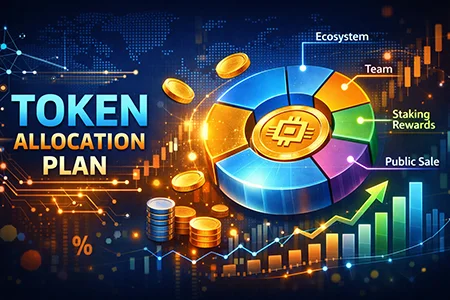
A thoughtful allocation plan helps a project grow steadily. It gives every participant a fair reason to stay involved, whether they build the product, invest early, or contribute through community activity. Without a well-balanced plan, projects often face quick sell-offs, low liquidity, or uneven governance.
This guide explains the basics of creating a reliable token allocation plan. You’ll understand how token allocations are organized, how vesting schedules help maintain stability, and how to present your plan clearly to both investors and users. Whether you’re launching a new project or refining an existing model, these points will help you build a reliable base for long-term growth.
Understanding Token Allocation in Crypto Projects
A token allocation plan defines how tokens are shared within a project, showing its link to tokenomics and how balanced distribution supports fairness and steady growth.
Definition and Core Purpose
A token allocation plan divides a project’s total supply among contributors, investors, advisors, and community members. It sets fair distribution rules that encourage steady growth and long-term participation across every involved group.
Relationship with Tokenomics
Token allocation works as a vital part of tokenomics, which defines how a token behaves within a project’s economy. Tokenomics sets the purpose and value, while allocation governs how those tokens reach and reward different stakeholders.
Strategic Importance
A balanced token allocation supports market stability, limits excess control, and prevents short-term dumping. It strengthens investor confidence by showing measured planning and commitment to steady project growth over time.
Key Components of a Token Allocation Plan
A token allocation plan divides supply across essential groups like the team, investors, and community. Each allocation serves a purpose that maintains growth, value, and balance.
Founders & Team
Around 10–20% of the total supply is usually reserved for the founding team. These tokens are vested over time to secure their long-term involvement, prevent early withdrawals, and maintain confidence among community members and investors.
Investors (Seed, Private, Public)
Investors back the project at different stages, from seed to public rounds. Their tokens are released through structured lockups and vesting schedules that protect market stability while allowing gradual liquidity and steady funding support.
Ecosystem & Community Rewards
This allocation supports user participation and ecosystem activity. Tokens are distributed through staking pools, airdrops, and incentive programs that reward ongoing engagement and help build a loyal, active community around the project.
Treasury & Reserves
The treasury holds tokens set aside for future growth, research, and partnerships. It ensures the project has sufficient liquidity and financial flexibility to respond to market needs and pursue new opportunities without affecting circulation.
Advisors & Strategic Partners
Advisors and partners usually receive a small share, around 2–5% of total supply. These tokens are vested to align their guidance and contributions with the project’s progress, ensuring consistent value through expertise and trusted collaboration.
Designing a Sustainable Token Allocation Model That Drives Growth
Sustainable allocation model finds the right mix between investors, users, and teams. It keeps token flow balanced and supports fair growth without overloading any single group.
1. Aligning the Model with Token Type
Every token type needs a different allocation approach.
- Utility tokens work best when more tokens go to user rewards, staking, and adoption programs.
- Governance tokens should aim for wider ownership and community control.
- Security tokens often require compliant distribution through verified investors and regulated channels.
2. Balancing Incentives Across Stakeholders
A fair allocation gives every group a reason to stay involved.
- The team should hold vested tokens that encourage long-term contribution.
- Investors get structured unlocks that prevent sudden sell pressure.
- Community members earn rewards that sustain participation and ecosystem activity. This balance protects value and keeps momentum steady.
3. Choosing the Right Allocation Framework
Projects follow different frameworks to guide distribution.
- Fixed-supply models cap total tokens from the start, creating scarcity and predictability.
- Inflationary models release tokens gradually to fund rewards and ecosystem growth. Some projects mix both to balance reward flow with lasting value.
Token Allocation in Practice: Project-Based Examples
Token allocation models vary with each project type. The way tokens are shared defines how the ecosystem grows, attracts users, and maintains financial stability.
General Allocation Layout
A balanced model divides tokens across all groups to keep participation fair and growth steady. This setup spreads control evenly, rewards long-term contributors, and keeps enough supply for future development.
Structure
- Founders & Team: 15% (4-year vesting)
- Investors: 25% (staggered release)
- Ecosystem & Rewards: 25% (community incentives)
- Treasury: 20% (partnerships and research)
- Community Reserve: 10% (governance funds)
DeFi Project Allocation
DeFi projects direct most of their supply toward user rewards and liquidity programs. This model maintains active participation, keeps markets liquid, and supports ongoing protocol expansion.
Structure
- Liquidity & Staking: 35%
- Team & Advisors: 15%
- Treasury & Partnerships: 25%
- Investor Rounds: 15%
- Community Programs: 10%
GameFi Project Allocation
GameFi allocations focus on rewarding players and sustaining the in-game economy. This structure encourages daily activity, content creation, and strong ties between developers and users.
Structure
- Player Rewards & Gameplay: 40%
- Development Team: 15%
- Marketplace & NFTs: 15%
- Investors & Partners: 20%
- Events & Community Growth: 10%
DAO Token Allocation
DAO tokens prioritize shared control through governance and voting incentives. This structure builds commitment by giving members real influence over project decisions and fund management.
Structure
- Community Governance: 45%
- Treasury & Proposals: 25%
- Core Contributors: 15%
- Advisors & Partners: 5%
- Future Development Pool: 10%
Ensuring Legal and Technical Credibility in Token Launches
Following regulations and audit standards keeps a project credible. Proper checks on contracts, investors, and token rules protect both compliance and community confidence.
Legal Implications
Regulations define how tokens are classified and handled in each region. Standards like SEC, MiCA, and VARA decide if a token acts as a utility, payment, or security, shaping how it can be issued and traded safely.
Contract Audits
Audits verify that allocation contracts are secure and correctly programmed. They confirm vesting, lockups, and token flow are managed without errors or tampering, giving investors confidence in every transaction.
KYC and AML Practices
KYC and AML checks confirm that investors are verified and funds are legitimate. These steps lower fraud risks, strengthen credibility, and help projects meet the requirements for listing on trusted exchanges.
Step-by-Step Guide to Building a Token Allocation Plan
Creating a token allocation plan follows a steady sequence. Each step defines how supply is divided, released, and communicated so the project grows with fairness and accountability.
Define Total Token Supply
Decide how many tokens your project will issue. A fixed number supports clarity and scarcity, while a gradual minting model helps projects that reward users or expand over time. The goal is to match supply to long-term purpose.
Identify All Stakeholder Groups
List everyone who contributes to the project like founders, investors, team members, advisors, and the community. Each plays a unique role in growth or funding, so their allocations should reflect actual involvement.
Assign Fair Percentages
Distribute tokens in a way that keeps participation balanced. Limit insider control, keep room for community programs, and make sure public circulation stays active for genuine usage rather than speculation.
Design Vesting and Lockup Schedules
Set timelines for when tokens become available. Use gradual or milestone-based releases so holders remain involved. Proper pacing avoids quick sell-offs and supports a steadier market presence.
Simulate Liquidity and Price Impact
Before launch, test how token release events might affect the market. Simple projections can show whether the supply pace feels natural or too aggressive, helping prevent sudden price drops or low liquidity.
Conduct Audits and Risk Checks
Have the allocation contracts examined by independent reviewers. Confirm that time locks and vesting work as expected. Regular reviews reduce mistakes and give participants confidence in how tokens move.
Publish and Present Through Visuals
Once finalized, share your plan openly. Use charts or dashboards that show how tokens are divided and when they’ll be released. Clear presentation makes complex data easier for everyone to follow.
Review and Update Periodically
A token plan is not static. Revisit it as the project evolves, especially when new incentives, staking options, or partnerships arise. A periodic review helps the allocation stay relevant and grounded in current goals.
DAO and Community Role - Three-Pillar Framework
DAO-based governance brings structure, community oversight, and long-term accountability to how tokens are distributed and managed.
Governance and Control
A DAO oversees reserves and incentives, gradually shifting power from founders to the community. All major decisions move through open on-chain voting, building structured oversight and ensuring long-term accountability among token holders.
Participation and Decision-Making
DAO members actively propose and vote on matters like funding, rewards, and new initiatives. Their voting strength depends on governance tokens, aligning real influence with participation and contribution to overall project development.
Collective Outcomes
Shared control prevents dominance by any single entity, ensuring that no group dictates project direction. Platforms like MakerDAO and Arbitrum DAO demonstrate how collective voting keeps token allocations fair and ecosystems stable.
The Role of DAOs in Fair and Accountable Token Management
The next phase of token allocation will focus on adaptability. Emerging models combine community input, automation, and compliance to guide token flow and long-term growth.
DAO-Driven Dynamic Allocations
Future allocations will evolve through DAO voting. Token holders will adjust rewards and treasury use as project goals change, keeping the ecosystem flexible and responsive.
AI-Assisted Modelling
Future allocation systems will evolve through DAO governance. Token holders will vote to adjust rewards, treasury distribution, and vesting schedules as project goals shift, keeping the token economy flexible and community-aligned.
Cross-Chain Distribution Systems
Cross-chain token allocation will enhance accessibility across blockchain networks. Holders will transact and govern seamlessly across ecosystems, creating unified participation and improved asset mobility within multi-chain frameworks.
Regulation-Shaped Frameworks
As global crypto laws evolve, token allocation models will adapt to meet regulatory expectations. Compliance will shape issuance, pacing, and fund handling, helping projects achieve legitimacy and long-term operational security.
Forecast for the Future
Token allocation will grow adaptive through AI analytics and DAO participation. Instead of fixed structures, data-driven models will adapt dynamically to user behaviour, ensuring efficiency and continuous value creation.
Final Thoughts
A well-structured token allocation plan brings balance to every stage of a project’s growth. It aligns incentives among founders, investors, and users, keeping value stable and participation genuine. When distribution is fair and thoughtfully managed, it builds lasting confidence, sustains liquidity, and strengthens long-term community engagement.
As the blockchain space matures, balanced allocation is becoming the standard for responsible token management. It supports fair participation, lasting confidence, and gradual ecosystem progress. Whether you’re launching a new token or adjusting your allocation model, our team helps you create a structure grounded in accuracy, compliance, and measurable results.

Blockchain App Factory
We are a leading Crypto Development Company offering complete blockchain and token creation services for global clients. With over 800 successful Web3 projects, we’ve helped ventures establish credible ecosystems that encourage real growth and user participation.
Our skilled team designs fair launch systems powered by audited smart contracts, liquidity models, and DAO governance, ensuring open access and steady community expansion from day one. We also deliver Web3 solutions covering DeFi platforms, NFT marketplaces, crypto exchanges, and metaverse ecosystems. Speak with our specialists today to launch your crypto project built for trust, performance, and long-term value.